01 No baseline no signal
A system you can't measure is a system you can't fix. Most projects launch with no agreed definition of what working means, so nobody can tell improvement from noise.
05 / Handover
You own the code and the system, documented and handed over so whoever runs it day to day actually can. We train them, and we stay reachable.
Custom Software AI Agents Automation AI Reliability Audits
For founders, SMEs & growing teams
The build-to-payoff gap
The demo worked. Everyone nodded. Then real volume arrived, the edge cases piled up, someone quietly went back to doing it by hand, and no-one could say which of the seven changes made last month broke it.
A system you can't measure is a system you can't fix. Most projects launch with no agreed definition of what working means, so nobody can tell improvement from noise.
When the system does the wrong thing, you need to know which step failed. Without a recorded trail, every incident turns into archaeology.
Access to data, money and customers without a permission model becomes a liability the first time something acts without asking.
What production-grade means, when it's needed
Not a list of compliance buzzwords. Each one is scaled to the system. These are artifacts you can ask to see in any scoping call.
01 eval baseline
Versioned test cases, sized to the system: a handful for a workflow tool, a full regression set for a platform. You prove it, instead of hoping.
02 trace propagation
When something goes wrong, the answer is in the record: what came in, what it decided, what it did, who reviewed it. Not Slack archaeology.
03 guardrail clamp
What the system can reach — data, accounts, actions — is agreed before the first feature. The default answer to an unscoped action is no.
We do not claim compliance certifications we don't hold.
We do build systems that pass them.
Selected work
14 projects across FinTech, Agritech, Real Estate, Industrial, Healthcare, Public Sector, Aerospace and Energy. SerSan builds and prior senior delivery, each one labelled for what it is.
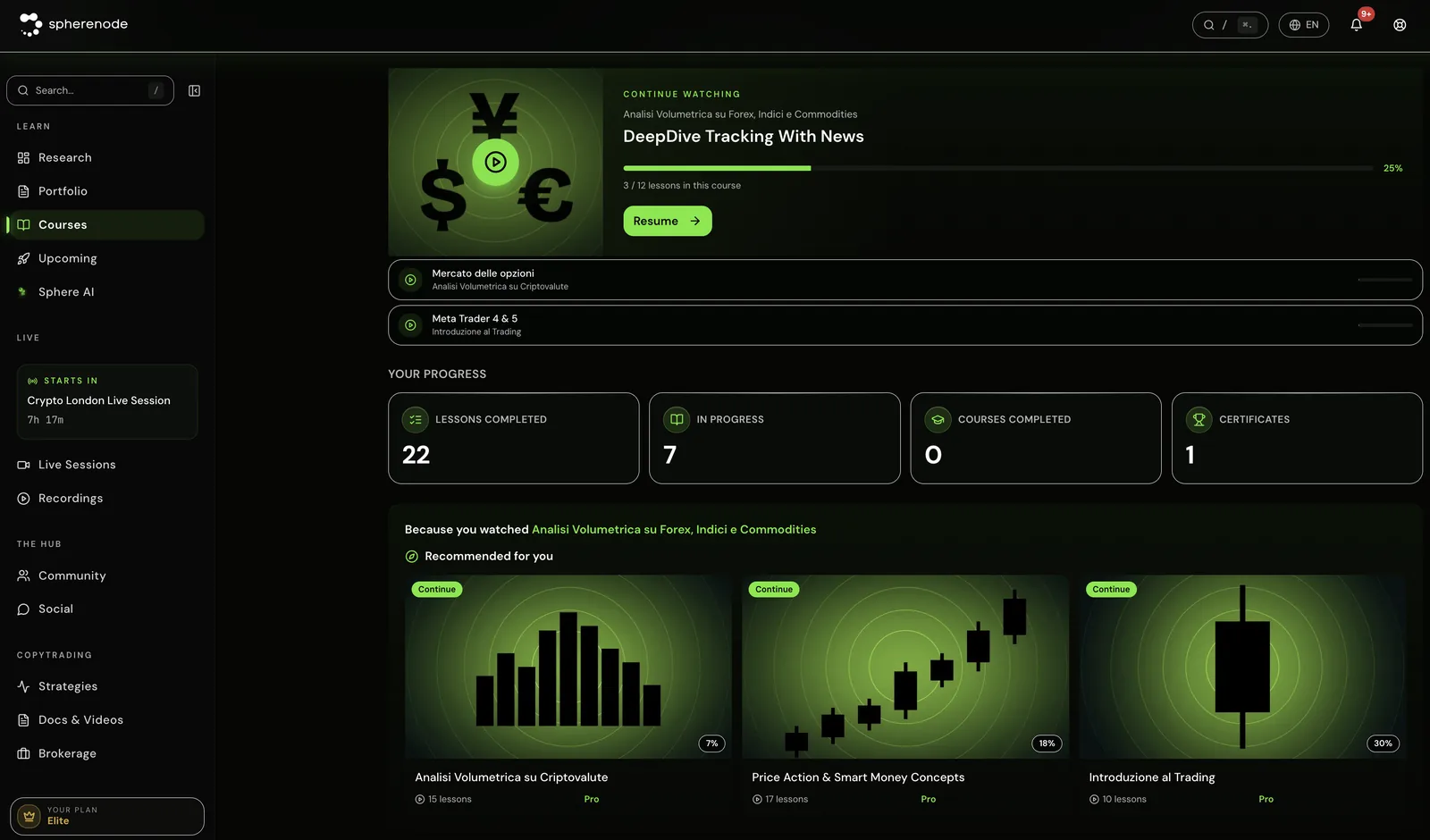
SerSan delivery · FinTech · Trading Education · RAG Mentor · Community · CRM
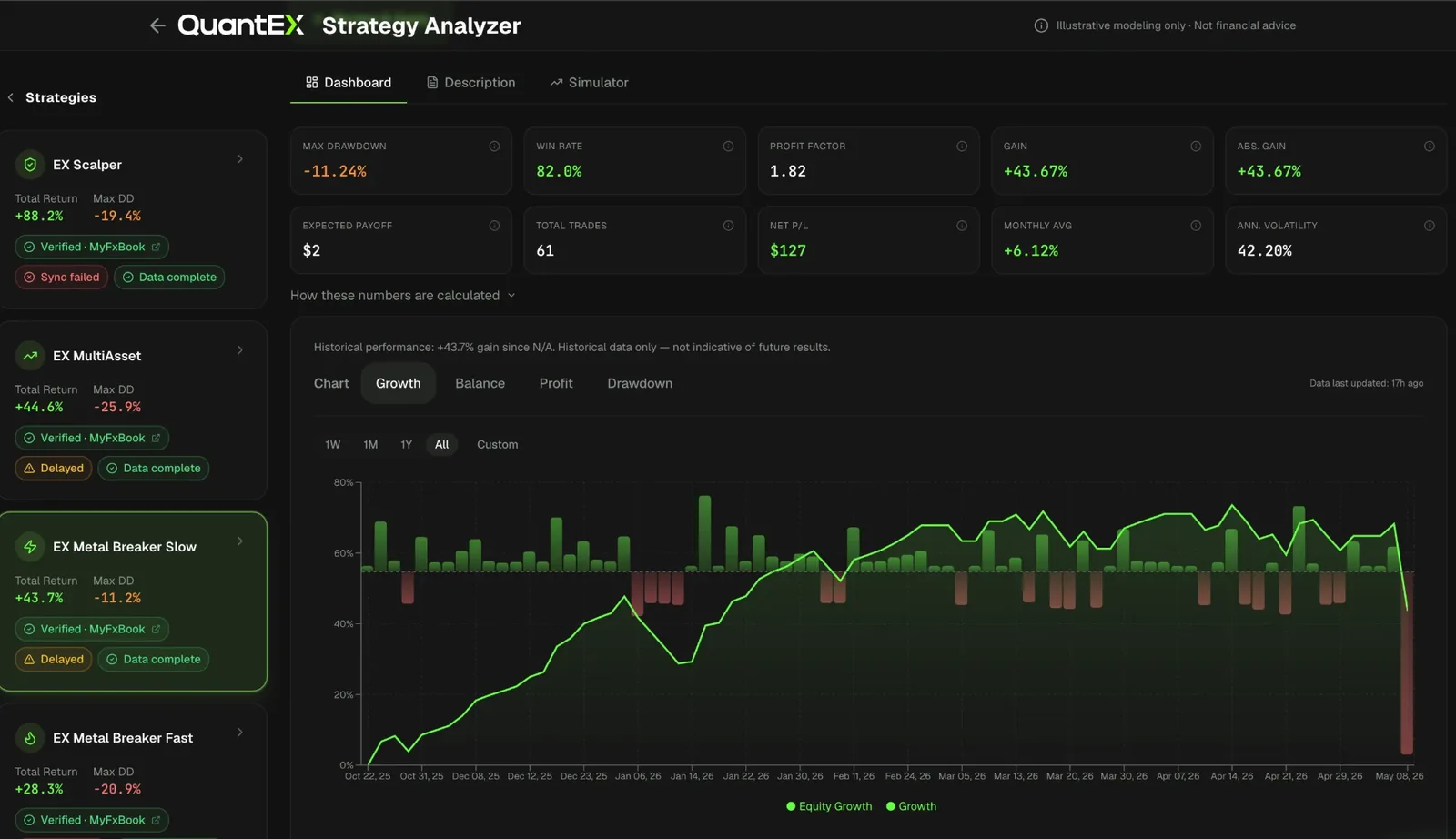
SerSan delivery · FinTech · Quant · LLM Agents · Real-Time Data

SerSan delivery · Real Estate · Brand Site · Motion Design · Lead Generation

SerSan delivery · Agritech · Renewables · IoT · Predictive Maintenance · SCADA
Prior experience — Michele Sanna at Revolut · FinTech · Fraud Detection · Real-Time Inference
Prior experience — Michele Sanna at J.P. Morgan · FinTech · Treasury · Credit Risk · Aerospace Research
Prior experience — Michele Sanna at Deloitte · Retail Operations · Time-Series ML · Supply Chain
Prior experience — Michele Sanna, research grant · MedTech · Computer Vision · Oncology Research
What SerSan builds
Start with the problem. Build the smallest useful solution. Scale what works.
Service 01
The software your business runs on, built to fit.
Typical build includes
Solves
Service 02
Start with the process that eats the most time.
Typical build includes
Solves
Service 03
AI that holds up once real customers use it.
Typical build includes
Solves
Service 04
Find what should not be built, before code becomes debt.
Typical build includes
Solves
Founder-led software, AI & automation
You work with the builders. Every engagement has a named commercial owner and a named technical owner. Accountability stays senior, whoever else contributes.
Owns scoping, proposals, pricing, client communication, and engagement structure from first call to handover. He turns ambiguous business problems into clear technical briefs, fixed scopes, and accountable delivery.
The named technical owner on an engagement — from a single automation to a platform in production. Owns the build, the data path, and the AI layer where it earns its place.
Owns the front-end, WebGPU and motion layer of what SerSan ships, this website included, and the AI agents built on the Microsoft stack. Also owns the studio's creative direction: the SerSan logo, its motion-graphics ads and video editing.
Designs and builds internal systems end to end — requirements, data model, interface, delivery. Shipped a maintenance and inventory management system for a resort operator, from formal requirements analysis through to the running software.
Honest about fit
Good fit: Something in the business costs you time or money today.
Not a fit: You want a chatbot gimmick for a press release.
Good fit: You can explain the workflow, even if not the technology.
Not a fit: No one can explain what problem is actually being solved.
Good fit: You'd rather fix one real problem than buy another licence.
Not a fit: You want a fixed price before anyone has defined the work.
Good fit: You want it built properly, whether or not you're regulated.
Not a fit: You want to skip compliance to ship faster.
Good fit: Someone on your side can decide and unblock us, technical or not.
Not a fit: Nobody can actually decide, so nothing gets signed off.
Good fit: You can give us the people, data or access to understand it.
Not a fit: You won't give us the access or feedback the work needs.
Start with the problem
One workflow, one product idea, one system that keeps breaking, or something your team still does manually. Tell us what's happening. We'll tell you what we'd do next.
// after your briefconst whatYouGet = { readBy: "a founder", price: "free", deliverable: "a written next step", verdict: "build | harden | stop",};
Reply within one business day